
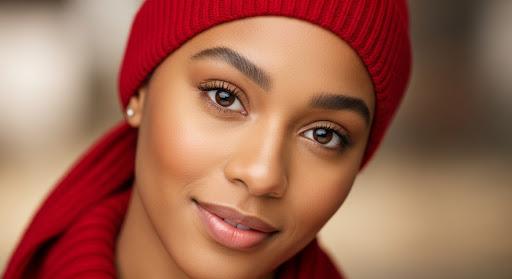
A great portrait does more than show what a person looks like—it reveals something about who they are. Whether it’s a professional headshot, a creative artistic portrait, or a family picture, the goal is the same: to capture personality, mood, and emotion in a single frame.
1. The Importance of Connection
One of the most critical elements of portrait photography is the relationship between the photographer and the subject. Building rapport helps the subject feel comfortable and natural, resulting in authentic, genuine expressions.
2. Lighting: The Key to Atmosphere
Lighting shapes mood in a portrait. Soft natural light can bring warmth and intimacy, while dramatic studio lighting can add depth and intensity. A skilled photographer understands how to use light to highlight features and create a desired emotional tone.
3. Composition and Background
A cluttered or distracting background can take attention away from the subject. By carefully composing the shot and selecting the right setting, a portrait photographer ensures the viewer’s focus stays exactly where it should—on the person.
4. Capturing Personality
Every subject is unique. Some portraits are bold and expressive, while others are subtle and introspective. The photographer’s role is to notice these traits and reflect them in the image through posing, framing, and timing.
5. The Power of Post-Processing
Editing enhances the final portrait, balancing color tones, retouching where necessary, and adding artistic flair. However, a good photographer ensures the image still feels authentic and true to the subject.
6. Why Timeless Portraits Matter
Portraits become part of a person’s legacy. Whether displayed in a home, used professionally, or passed down through generations, they hold emotional and historical value that endures far beyond the day they’re taken.
Final Thoughts
Portrait photography is an art form that requires both technical skill and emotional insight. When done well, it doesn’t just capture a face—it captures a story.